
Optimizing Ground Operations: The Essential Guide to Airport Baggage Tugs
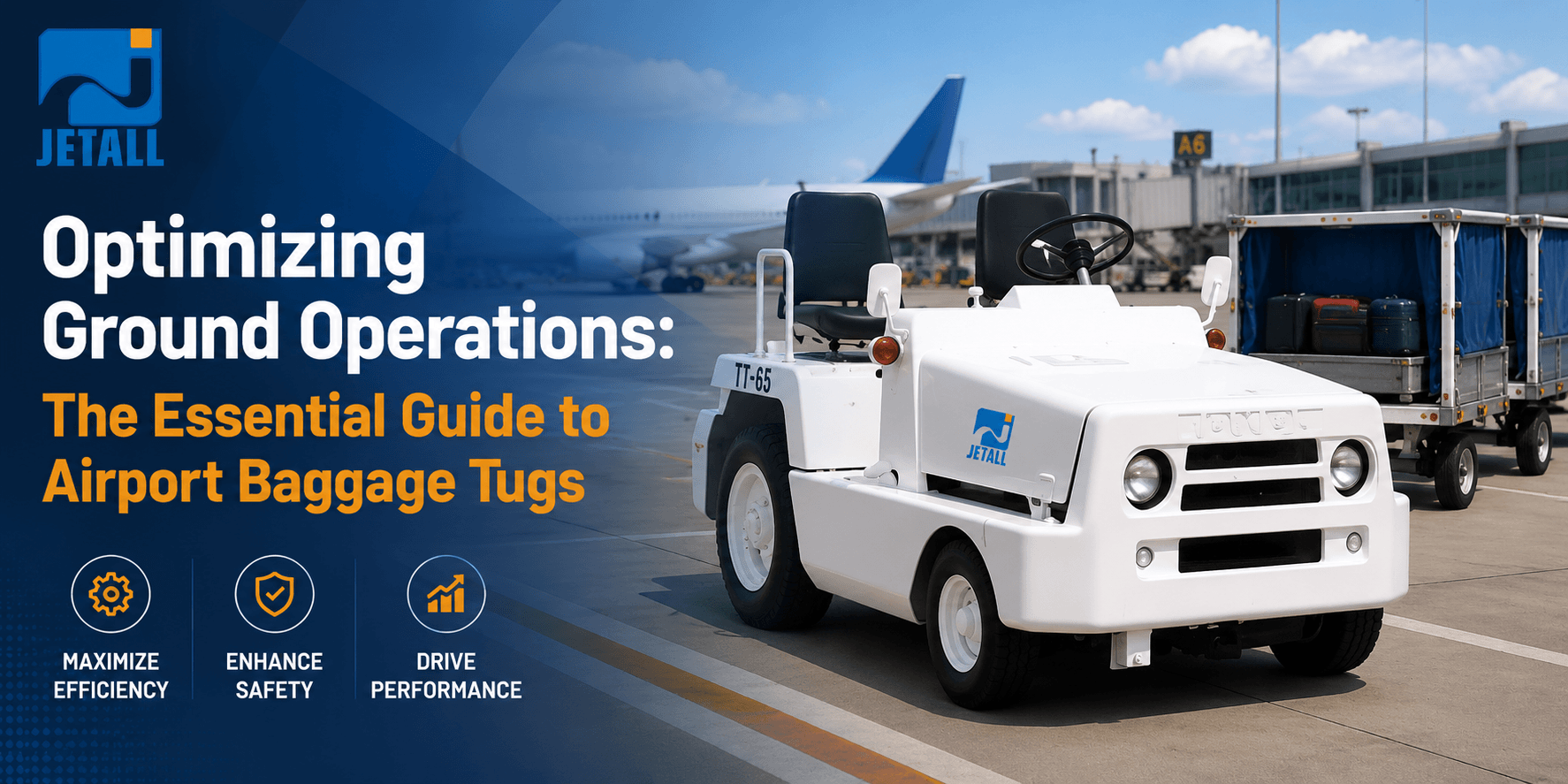
Aircraft turnaround time measures efficiency and profitability in fast-paced airport ramp operations. Ground crews operate on tight windows to safely offload and reload luggage and cargo between passenger deplaning, refuelling, and catering. The baggage tug is one of the hardest-working pieces of Ground Support Equipment (GSE) in this logistics chain.
Whether you’re operating multi-cart baggage trains or shuttling container dollies across busy tarmac lanes to avoid ramp congestion and delays, choosing the right airport tow tractors is critical.
What is an Airport Baggage Tug?
An airport baggage tug is a small, powerful vehicle used to pull or push airport baggage containers, usually on an airport apron. The containers are either pushed onto aircraft for loading or pulled away after unloading. They also move other airport ground support equipment, such as luggage carts, around the airport. Baggage tugs are essential for efficient airport operations, as they allow quick, safe movement of heavy baggage containers.
An airport baggage tug (also called a baggage tractor or tow tractor) is a small, high-torque vehicle designed to tow baggage carts, container dollies, and cargo pallets between the aircraft gate, sorting facilities, and terminal staging areas.
Unlike general-purpose industrial utility vehicles, GSE baggage tugs are built for ramp environments, providing tight turning radii, heavy drawbar pull capacities, and rugged drivetrains designed to operate in extreme weather conditions.
Key Considerations When Choosing Baggage Tugs
1. Drawbar Pull (DBP) Capability
Drawbar pull is the actual pulling force the tractor produces. Selecting the right DBP is important to ensure ground crews can maneuver loaded cart trains safely without putting strain on the powertrain:
3,000 to 4,000 lbs DBP: Ideal for regional jets, standard passenger baggage carts and light-duty ramp transfers.
5,000 lbs DBP: The industry workhorse, offering the versatility needed for multi-cart trains and mid-size cargo dollies.
7,500+ lbs DBP: Heavy-duty performance for high-capacity cargo operations, long-distance ramp hauling and rough incline navigation.
2. Type of Fuel & Power
- Electric (Zero-Emission): Preferred by modern hubs and indoor sorting facilities due to lower emissions, quieter operation and lower long-term maintenance costs.
- Diesel & Gas: Provide constant, high-torque power for tough outdoor environments, long shifts, and airports with limited charging infrastructure.
3. Type of Fuel & Power
To work around million dollar aircraft, you need precision control. Search tugs with:
- Wide visibility angles and ergonomic operator controls.• Dependable brakes on wet and icy surfaces.
- Heavy-duty rear hitches (E-hitch / pin couplers) for secure cart attachment.
Why JetAll for Your Baggage Tug & GSE Requirements?
At JetAll, we know GSE downtime means flight delays. We supply, refurbish, and service a wide variety of industry-proven baggage tow tractors and ground support equipment for airlines, FBOs, ground handlers, and military hubs.
- Fleet Versatility: Available in both electric and combustion platforms with four drawbar pull ratings (3,000 lb, 4,000 lb, 5,000 lb and 7,500 lb).
- Rigorous Quality Standards: Every unit undergoes inspection and preparation to meet the most rigorous standards of operational reliability.
- Full GSE Support: In addition to baggage tugs, JetAll offers GPUs, belt loaders, pushback tractors and replacement parts to keep your fleet running.
Now Upgrade Your Ramp Fleet
JetAll’s reliable baggage tugs help keep baggage moving efficiently and reduce aircraft turn times. Get a quote or discuss fleet availability with one of our GSE specialists today.
Website: https://www.jetall.com/
Phone: 305-688-2111
Email: gse@jetall.com
